TIDAL’s New AI Music Policy Could Change the Streaming Industry. Will Everyone Else Follow?
Artificial intelligence has become one of the most polarizing developments the music industry has faced since streaming transformed how audiences consume music. While AI has created exciting opportunities for artists, producers, engineers, marketers, and independent creators, it has also raised serious concerns surrounding copyright, artist impersonation, royalty distribution, and the value of human creativity.
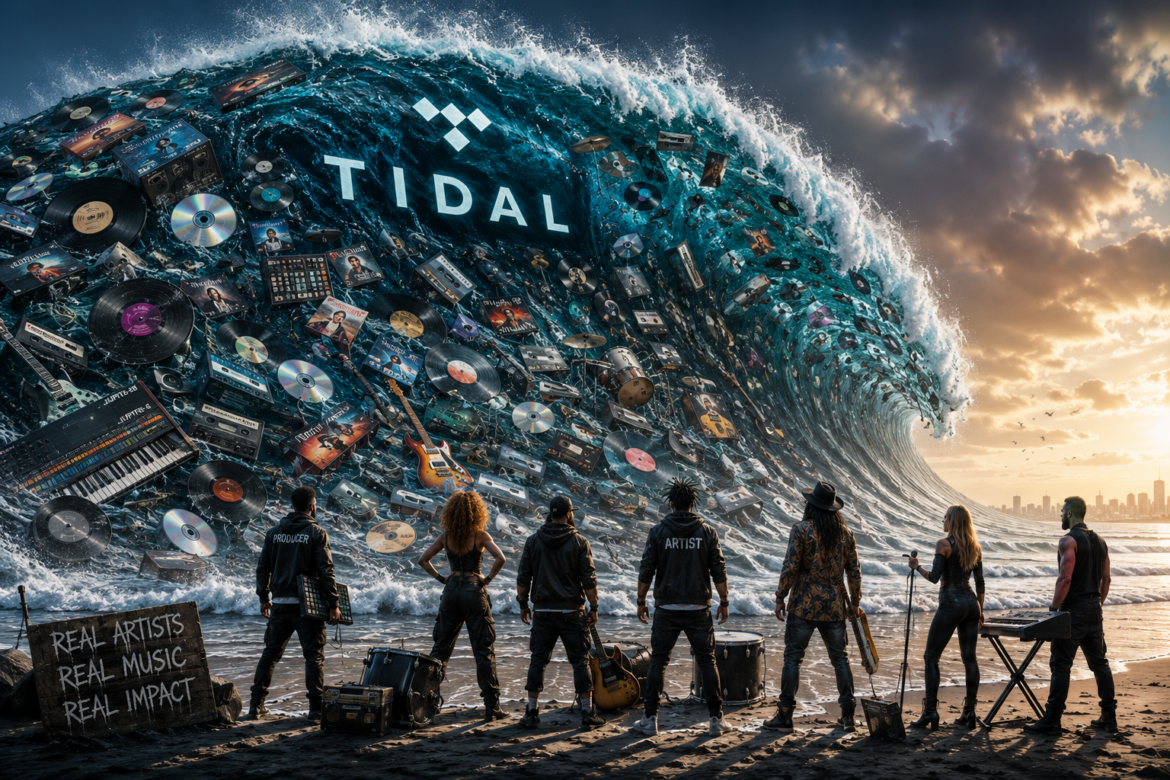
On July 15, TIDAL will implement one of the music industry’s most direct artificial intelligence policies, positioning itself as a major streaming platform willing to establish clear standards around fully AI-generated music.
The announcement could represent more than a company policy update. It may signal the beginning of a new era where every streaming service is expected to publicly define how artificial intelligence fits into their platform.
TIDAL Once Again Leads the Conversation
This is not unfamiliar territory for TIDAL.
Throughout its history, the platform has consistently prioritized musicians, producers, engineers, songwriters, and other creative professionals whose work often goes unnoticed by the average listener.
Years ago, TIDAL distinguished itself by becoming the first major streaming service to prominently display detailed song credits. For the first time, fans could easily discover who produced a record, who engineered it, who wrote it, who mixed it, and who mastered it.
For professionals working behind the scenes, this was not simply an added feature. It was recognition.
Recording engineers who spent countless hours perfecting a record could finally receive public acknowledgment. Producers could more easily build their portfolios. Songwriters became more discoverable. Industry professionals could trace creative relationships between artists and collaborators with greater transparency.
Those changes helped reinforce something that Patchwerk Recording Studios has always believed:
Great records are rarely created by one person. They are built by teams.
Today’s AI policy follows that same philosophy by asking an increasingly important question:
Who actually created the music?
What Changes on July 15?
Beginning July 15, TIDAL will introduce several measures designed to improve transparency while protecting artists from misuse of artificial intelligence.
Among the most significant changes are:
- Fully AI-generated music will receive an AI label so listeners understand how the music was created.
- Music determined to be entirely AI-generated will no longer qualify for royalty payments on the platform.
- Releases using AI to impersonate artists or facilitate fraud will be removed.
- Detection systems will monitor content for policy violations and deceptive releases.
Rather than banning artificial intelligence altogether, TIDAL is drawing an important distinction between AI-assisted creativity and AI-generated content.
That distinction may become one of the defining conversations of modern music.
Many producers already use AI-assisted stem separation, vocal cleanup, mastering suggestions, lyric organization, transcription tools, and workflow enhancements. These technologies can accelerate production without replacing the artist.
Generating complete songs with synthetic vocals designed to imitate another performer is an entirely different matter.
TIDAL’s policy recognizes that difference.
Why This Matters Beyond TIDAL
Although the policy applies only to TIDAL today, its influence could extend throughout the streaming industry.
Every major streaming platform is currently facing similar questions.
- Should AI-generated music earn the same royalties as music created by human artists?
- Should listeners know when a song was created entirely with artificial intelligence?
- How should platforms handle cloned voices?
- How can fraudulent uploads be identified before they accumulate millions of streams?
- What happens when AI-generated music overwhelms independent creators competing for visibility?
These questions are no longer theoretical. They are business issues.
Streaming platforms have invested years building relationships with artists, labels, publishers, distributors, and rights organizations. As AI-generated content continues growing, every platform will eventually need to establish clear expectations for creators and distributors.
TIDAL may simply be one of the first major platforms willing to define those expectations publicly.
History has shown that when one major platform introduces meaningful transparency standards, competitors often feel pressure to respond.
Spotify transformed subscription streaming into the industry standard. Apple Music emphasized high-fidelity audio and Spatial Audio. YouTube developed Content ID to combat copyright infringement at scale. Now TIDAL may be establishing a benchmark for AI governance.
Whether other platforms adopt identical policies remains to be seen, but remaining silent becomes increasingly difficult once users begin asking why policies differ from one service to another.
Protecting More Than Royalties
Much of the public discussion surrounding AI focuses on royalties.
The bigger issue may actually be trust.
Artists spend years developing unique voices, production styles, visual identities, and fan relationships. Artificial intelligence now makes it possible to imitate many of those characteristics within minutes.
Without safeguards, listeners may struggle to determine whether a release actually comes from the artist they support.
This creates risks for fans, distributors, labels, and platforms alike.
Fraudulent releases can dilute catalogs. Fake collaborations can spread rapidly online. Unauthorized vocal cloning can damage reputations.
The music industry depends on authenticity.
Policies like TIDAL’s aim to preserve that trust before the problem becomes significantly larger.
What This Means for Independent Artists
Independent artists often embrace emerging technology faster than major labels.
Artificial intelligence offers tremendous advantages when used responsibly.
Many musicians now use AI to:
- Generate songwriting ideas
- Organize production sessions
- Translate lyrics
- Remove recording noise
- Improve vocal editing
- Build promotional assets
- Analyze audience data
- Brainstorm marketing campaigns
None of these uses necessarily replace artistic creativity. Instead, they improve efficiency.
The challenge arises when AI replaces the artist rather than supporting the artist.
Independent creators should expect distributors and streaming services to request greater transparency about how music is made.
Just as metadata became an essential part of digital distribution, AI disclosure could eventually become another required field during the upload process.
Why This Conversation Matters to Recording Studios
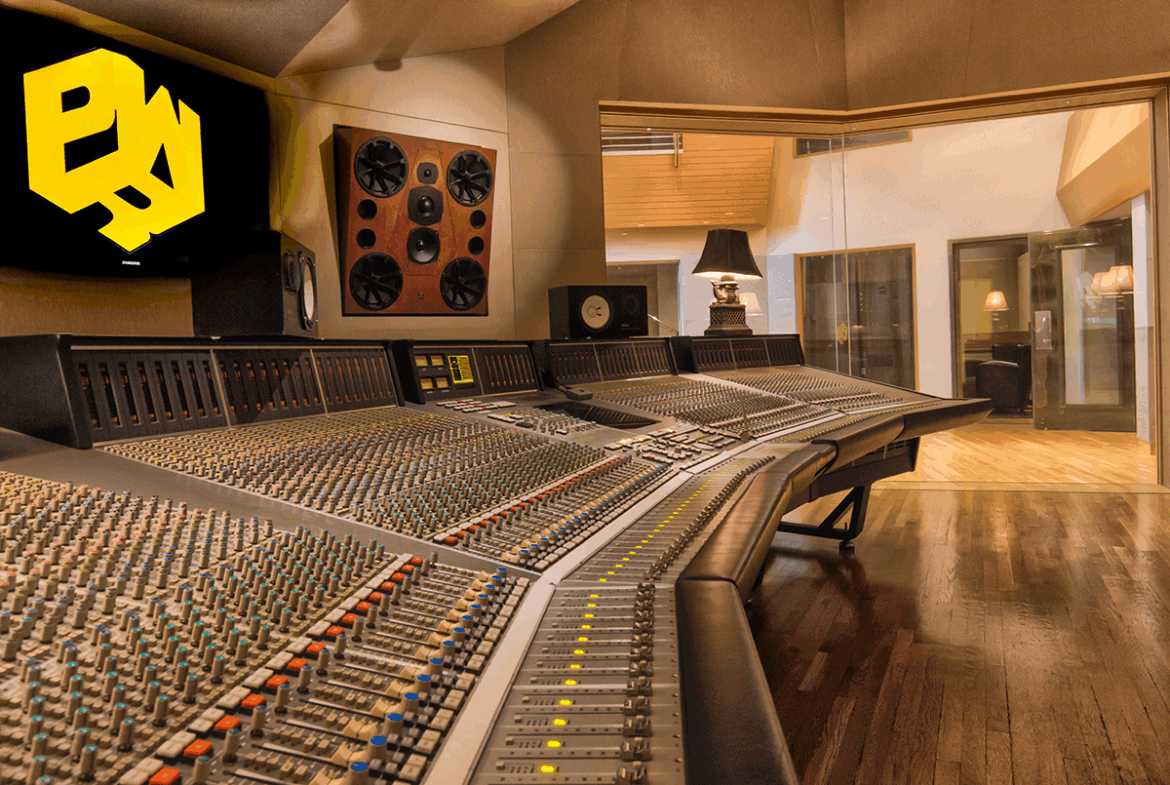
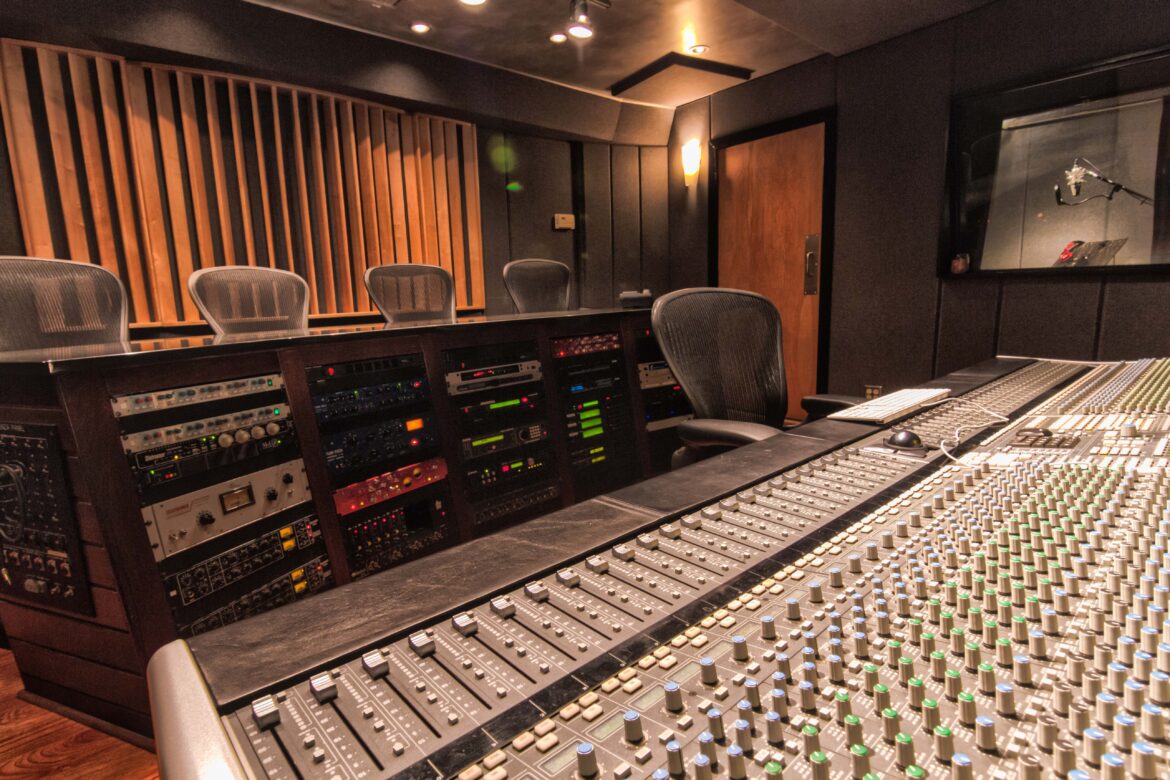
For studios like Patchwerk, this discussion reaches beyond streaming.
Professional recording studios exist because artists value human expertise.
Every hit record reflects the contributions of producers, engineers, assistants, musicians, vocal producers, mastering engineers, A&R representatives, and countless creative collaborators.
Artificial intelligence should enhance those professionals, not erase them.
Studios that embrace AI responsibly while continuing to emphasize world-class engineering and authentic performances may become even more valuable as audiences seek music created by real people.
Technology changes workflows. It should not diminish craftsmanship.
Could Patchwerk Radio Develop Its Own AI Policy?
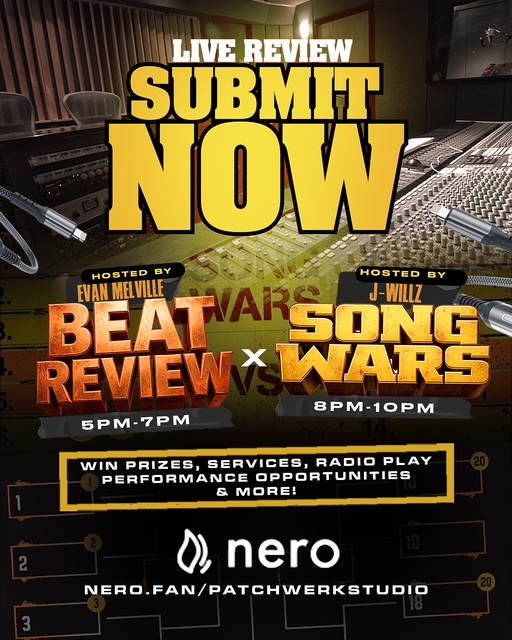
As Patchwerk Radio continues expanding its programming, music submissions, producer showcases, Beat Review sessions, Song Wars competitions, and independent artist features, TIDAL’s announcement raises an important strategic question.
Should independent radio platforms also establish AI guidelines?
There are compelling reasons to consider doing so.
A Patchwerk Radio AI policy could outline expectations such as:
- Requiring artists to disclose when submissions are fully AI-generated.
- Continuing to welcome music created by human artists using AI-assisted production tools.
- Rejecting submissions that impersonate existing artists or violate copyright.
- Prioritizing transparency with listeners through appropriate labeling when necessary.
- Protecting producers, engineers, and songwriters whose work represents authentic creative collaboration.
Implementing clear standards early would position Patchwerk Radio alongside organizations that are proactively addressing one of the music industry’s fastest-evolving issues.
It would also reinforce the station’s commitment to discovering genuine talent while embracing innovation responsibly.
For independent artists, knowing the expectations before submitting music creates consistency and trust.
For listeners, transparency strengthens credibility.
For the broader creative community, it demonstrates respect for both technology and artistry.
Looking Ahead
Artificial intelligence is not disappearing from music.
If anything, its capabilities will continue advancing at an extraordinary pace.
The challenge facing the industry is no longer whether AI should exist.
The challenge is determining how it can coexist with human creativity in a way that remains fair, transparent, and sustainable.
TIDAL’s July 15 policy represents one of the clearest attempts yet to answer that question.
Whether other streaming services adopt similar rules or develop entirely different approaches, one thing appears increasingly likely:
The era of having no AI policy at all is coming to an end.
For artists, producers, recording studios, and independent platforms like Patchwerk Radio, the next chapter of music will not be defined solely by artificial intelligence.
It will be defined by how the industry chooses to govern it.