-
 play_arrow
Patchwerk Radio
Collabs That Made History 30 Years
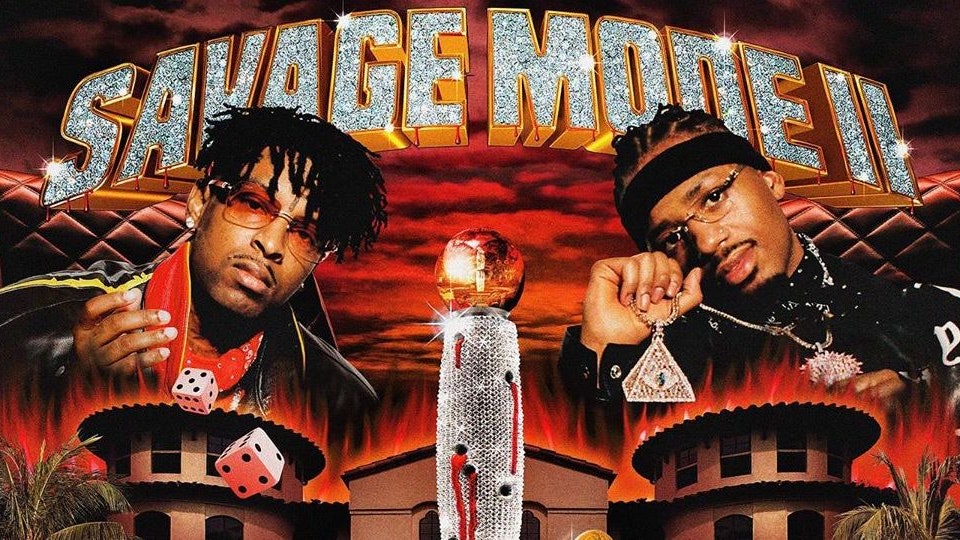
The album serves as a sequel to the duo's extended play Savage Mode.
30 YRS of PWR Producer x Artist Collabs
Hip-Hop Collabs That Stand the Test of Time
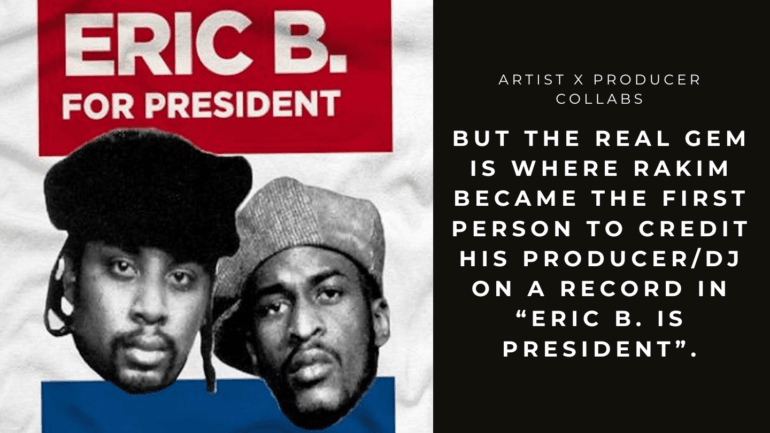
In a time where producers were multi-faceted and acted as DJs, Eric B. and Rakim were the first well known artist and producer collaboration. Songs like “I Ain’t No Joke”, “Paid In Full”, and “Don’t Sweat The Technique” helped them become known worldwide, but the real gem is where Rakim became the first person to credit his producer/DJ on a record in “Eric B. Is President”.
Campaign pictures for Eric B. and Rakim circa 1986.
It’s important because we hear names from that era like Kool Herc and GrandMaster Flash but it was rare for any artist in any genre to shout out the musicians, DJs, or Producers. I mean, James Brown shouted out Maceo plenty of times, but that was an era when Hip Hop didn’t exist and everyone had live bands.
Collabs From Analog to Digital, DJs and Artists
This era however, was a new era in which DJs manipulated the breakbeats on old records from artists like James Brown and there were no live bands. Insert the MPC.
The MPC changed everything. AKAI and the SP1200 allowed DJs to directly take sounds from instruments or songs and recreate it into something else. This subsequently created producers.
Most of the time, producers and artists typically have built a relationship over time. Sometimes the collaboration is a spur-of-the-moment type ordeal. When it’s a forced collaboration, rarely does the project sound good. However, when everyone involved in creating the vibe together, magic happens.
Labels can be a roadblock in this instance by citing contractual obligations or not viewing the artist as profitable at that certain time period. This leads to revolutionary projects often being shelved and leaked many years later.
Collabs w/ Samples and Clearance Requirements
Sometimes the sample just doesn’t get cleared. For example, Young Nudy had a highly popular song with Playboi Carti produced by Pierre Bourne called “Pissy Pamper/Kid Cudi” that would’ve arguably been a Diamond Single had it been actually released. The sample, which came from Japanese singer May Yaman, wasn’t cleared. It was leaked all on Youtube, but it’s non-existent in either of their discographies.
Furthermore, a great dynamic with all parties involved can fundamentally make or break a career. Let’s take a look.
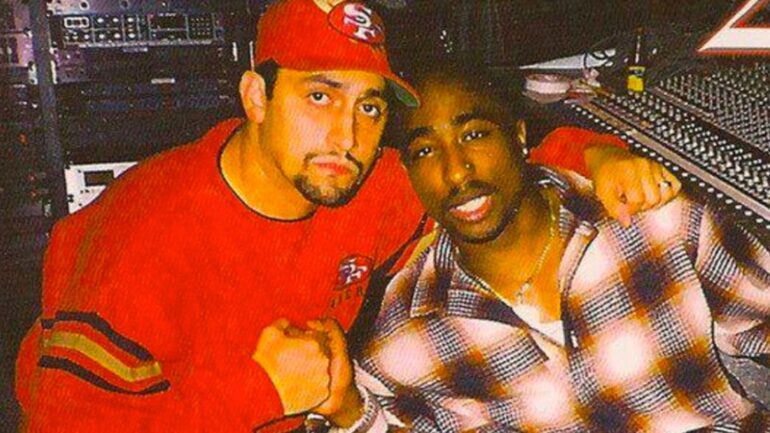
2pac and Johnny J pictured above, inside the legendary Can-Am Studios in Los Angeles, California.
West Coast to East Coast Collabs That Made History
2pac and Johnny J pictured above, inside the legendary Can-Am Studios in Los Angeles, California.
When it comes to mentioning the greatness of 2pac, Snoop Dogg or Death Row Records in general we often think about Dr. Dre or Suge Knight. However, real Hip Hop Heads know that it was Snoop’s cousin Daz Dillinger, DJ Quik, and Johnny J producing most of the hits out of Death Row.
The relationship between Pac and Johnny J was first documented on the song, “Pour Out A Little Liquor” from the Above The Rim Soundtrack. Later on, they would again collaborate on “Death Around The Corner” from the groundbreaking album Me Against the World. This song and album particularly reflected on Pac getting shot and the controversy around his sexual assault case.
The smooth sound but harsh lyrics of the song predict Pac’s early death. This song could easily be called a fan favorite. Subsequently, on Tupac’s last album released in his lifetime “All Eyez On Me”, Johnny J produced over half of the songs on the album, including “All About You”, “What’s Ya Phone #”, and “Picture Me Rollin’”.
Johnny J continued to compose songs on The Outlawz album “Still I Rise”, a few songs on Bizzy Bone’s album Heavenz Movie, and even was the score writer for the movie Gridlock’d.
Atlanta Artist x Producer Collabs That Make Sense
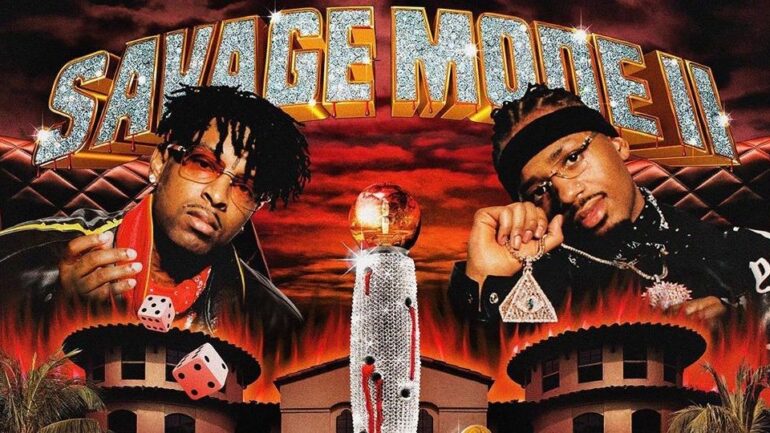
Metro Boomin x 21 Savage
21 Savage is one of the most consistent rappers Atlanta has to offer. On paper he’s from the UK, but inside the culture he is an East Atlanta Legend. On the other hand is Metro Boomin. He’s straight outta St. Louis, but he was so passionate about what was going on in Atlanta that we had no choice but to accept him to the city.
Metro Boomin first worked with Future on one of his biggest songs, “Honest”. This led to “F*ck Up Some Commas” and collaborations with Drake and Future on the mixtape What A Time To Be Alive. However, many can agree that his real breakout moment was in 2016, when he was hot off of his previous work with Drake and Future, leading with the collaboration with the Migos for their biggest hit, “Bad and Boujee”.
Metro also ended up breaking 21 Savage that year as well. 21 had already put out the Blood anthem, “Red Opps” but didn’t really have a true hit – something to play in the club. And then “X” came out.
“I’m just stuntin’ on my X b–ch.” I know that was the most important line 21 Savage has ever said. From that moment on, 21 Savage’s Starpower came on and began to shine.
21 Savage followed with another hit song from the Issa Album, in “Bank Account”. Then, 21 Savage proceeded to give us what many consider to be his best album in I am > I was. His collaborations with Young Nudy and Metro have controlled the airwaves in Atlanta for the last five years.
It matters because Atlanta hasn’t had anyone from the streets consistently put out music. The raw, street reality is relatable and 21 Savage is the primary source.
Metro Boomin on the other hand, single-handedly realigned the sound of Atlanta with his Futuristic Summa mixtape. He perfectly plotted the move to diversify Atlanta and push regional sounding music again.
T.I. x DJ Toomp Collab from Bankhead to Big Tyme
Ah, TI. TIP is a true character and being in Atlanta gives you front row tickets to his life. TIP has been the first for a lot in Atlanta. He was the star of one of the most iconic movies ever, had his own reality TV show, and even beefed with two of Atlanta’s greatest rappers ever.
He was at first, a drug-dealer from Cedar Avenue on the Westside of Atlanta. He was rapping and making his own beats until his cousin introduced him to DJ Toomp, the man who would change both of their lives forever.
It started with I’m Serious, which has fan favorites like “Dope Boyz” and “What’s Yo Name?”, both of which showcased his potential talent. The potential went unrecognized however.
The label said the album was a flop but Atlanta said it was (and still is) a classic. TI bet on himself, left the label and started Grand Hustle with Jason Geter. From there, it took off. With songs like “24s”, “RubberBand Man”, and “Let’s Get Away”, Trap Muzik went Platinum and created a genre.
“RubberBand Man” empowered TI to keep David Banner’s producer tag on the song after radio stations tried to take it off. This led to the wide popularization of producer tags.
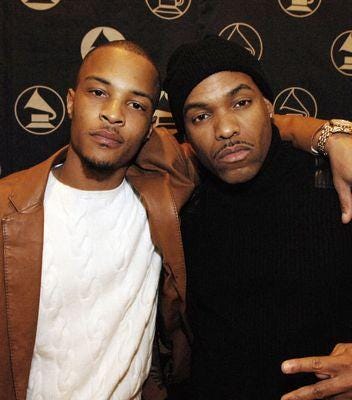
Urban Legend was by far a progression in TI’s sound and was a more complete album than its predecessor. However, this came with problems with the law. TIP was viewed as a criminal to some, but was heavily criticized by his Crime Stoppers advertisements. Shawty Lo used this as ammunition during their heavily publicized dispute in 2008.
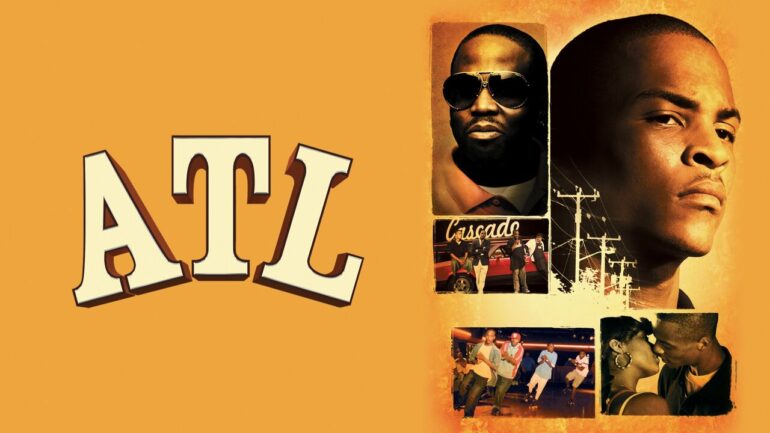
Coincidentally enough, by the KING album, DJ Toomp’s production had reduced to less than four songs. Despite this, the movie ATL came out, which was about four teens graduating high school skating at the world-famous Cascade Skating Rink. The KING album might as well have accompanied the soundtrack. The movie featured the Goodie Mob, Ciara and Big Boi, keeping everything Atlanta based.
A few albums later, TIP was involved in several run-ins with the law, but it only increased his presence. He had a VH1 show with his wife, Tiny of Xscape and appeared in movies like American Gangster, Ride Along 2, and Ant-Man and The Wasp.
TIP has also redefined his image as a public authority figure, pleading with protesters to quit destroying and rioting in Atlanta during the 2020 riots across the United States.
Recently, TIP reunited with DJ Toomp for a rumored final album titled Kill The King. He’s also headlining Birthday Bash 30 this year. TIP faced all odds. He got into multiple conflicts with other rappers, (he ended one at Birthday Bash, iykyk) faced legal troubles, worked under a label that didn’t respect him and still became one of the greatest products the city has ever had.
The Future of Atlanta Artist x Producer Collabs
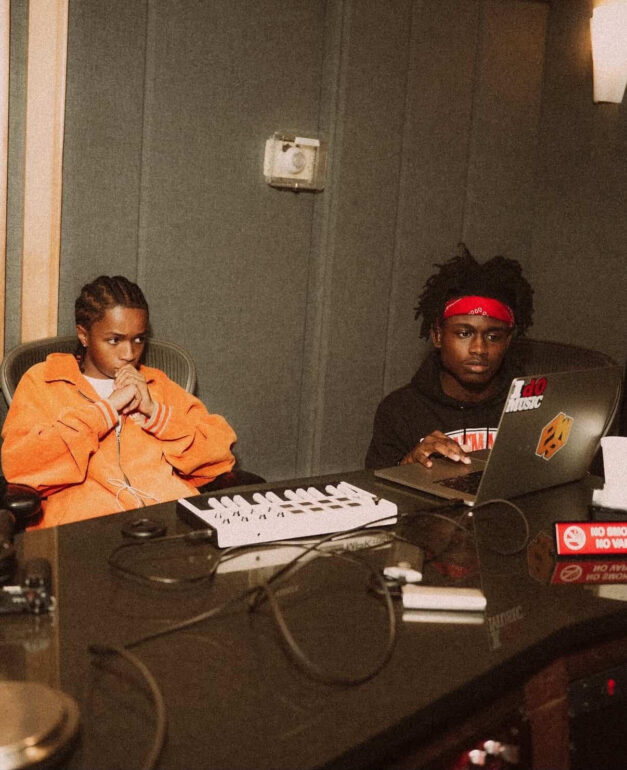
Questionizer and BabyChiefDoIt in Patchwerk Studios
Drill music is defined by dark, heavy bass with a high tempo accompanied by violent lyrics. It came from the Southside of Chicago and was started by Chief Keef with the smash hit “I Don’t Like”. Following him, guys like King Von and Lil Durk put a rocket on the subgenre and helped it achieve mainstream popularity.
After the untimely death of King Von and the highly controversial murder-for-hire case Lil Durk is involved in, BabyChiefDoIt took the crown and put a new spotlight on the subgenre.
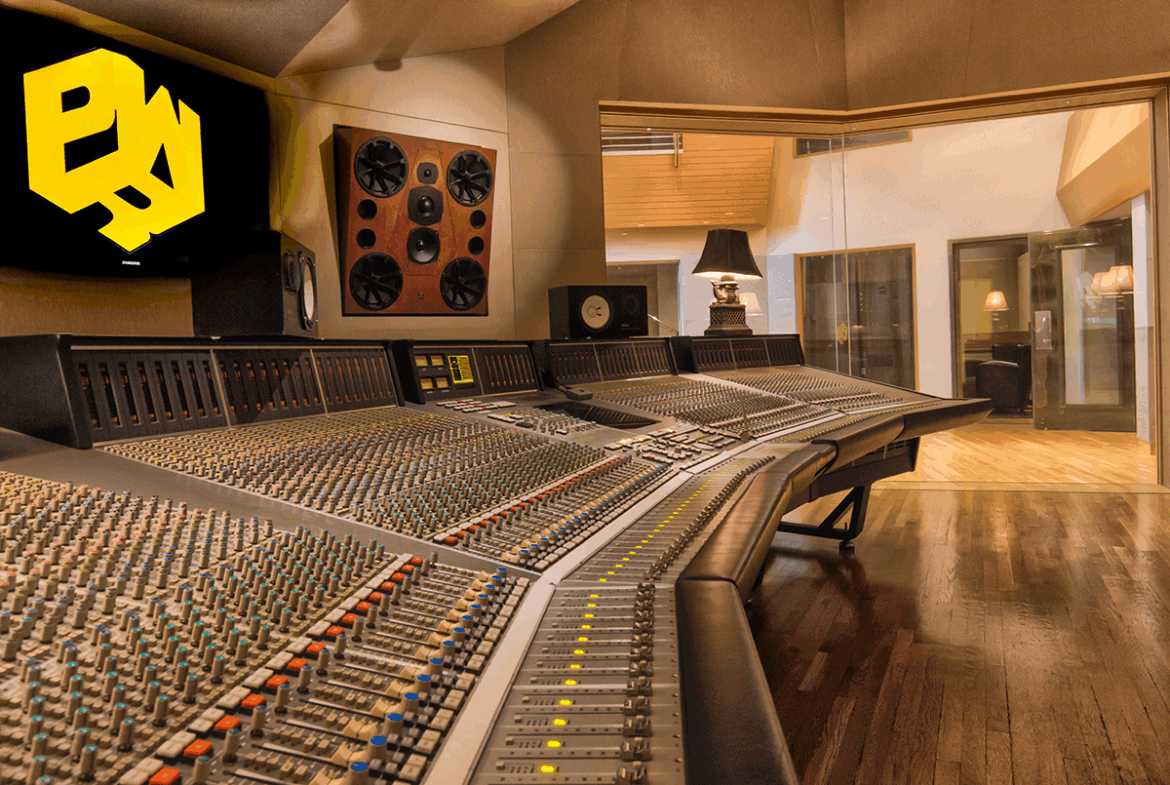
Questionizer and BabyChief partnered up at Patchwerk Studios to make the smash hit “Went West”. Instead of using tubular bells for the traditional Chicago-Drill sound, Questionizer used horn to make it sound more Atlanta based. BabyChief combats that by using witty punchlines to make the listener think.
These two are coming with an album soon, which will help alter the sound of Drill genre forever.